Call Now

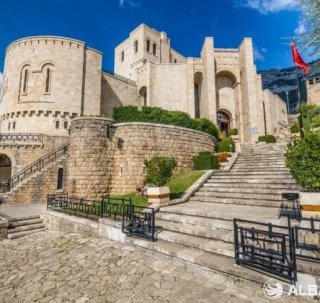
Gjirokastër Castle, also known as Gjirokastër Fortress or Gjirokastër Citadel, is a prominent historical landmark and one of the most iconic attractions in Gjirokastër, Albania. Here's a description of this medieval fortress:
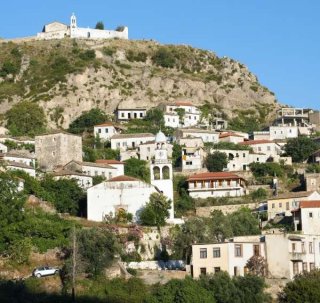
Location and Setting: Gjirokastër Castle is strategically situated on a hill overlooking the city of Gjirokastër in the southern region of Albania. The castle's elevated position offers commanding views of the city and the surrounding countryside, making it a natural defensive stronghold and a picturesque destination for visitors.
Historical Significance: The history of Gjirokastër Castle dates back to the 12th century when it was built by the Despots of Epirus. Over the centuries, it has served various roles, including as a defensive fortress during the Ottoman period. The castle has witnessed numerous historical events, making it a significant part of the city's history.
Architectural Features: The castle's architectural layout consists of a series of towers, courtyards, and buildings, showcasing a blend of medieval and Ottoman architectural styles. It is constructed primarily from stone, and its well-preserved walls and structures provide insight into the military architecture of the time.
Gjirokastër Museum: One of the notable attractions within the castle is the Gjirokastër Museum. This museum, housed within the castle's grounds, features an extensive collection of historical artifacts, including weapons, clothing, and archaeological discoveries. It offers visitors a chance to explore the history and heritage of the Gjirokastër region.
Panoramic Views: The highlight of a visit to Gjirokastër Castle is the breathtaking panoramic views it offers. From its elevated position, visitors can see the entire city of Gjirokastër, with its characteristic stone houses and winding streets, as well as the lush countryside and distant mountains. The views are especially spectacular during sunrise and sunset.
Visiting the Castle: Visitors to Gjirokastër Castle can explore its various sections, including the towers, courtyards, and the museum. The castle is easily accessible by foot, with a pleasant walk up the hill, or by car. There is an admission fee to enter the castle, and it's recommended to allocate sufficient time for exploring the site and taking in the views.
Cultural and Event Venue: The castle is occasionally used as a venue for cultural events and performances. These events often celebrate the city's rich cultural heritage and are an opportunity for visitors to experience traditional Albanian music, dance, and folklore.
In summary, Gjirokastër Castle is a historic gem that encapsulates the rich heritage of the city. Its combination of historical significance, architectural beauty, and stunning vistas makes it a must-visit attraction for those exploring Gjirokastër and its unique history.
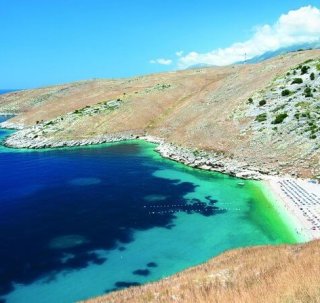
Albania boasts stunning natural beauty. Don't miss the Albanian Riviera with its pristine beaches, the breathtaking landscapes of Valbona Valley National Park, or the enchanting shores of Lake Ohrid.
Tirana, the capital, features a blend of architectural styles, ranging from Ottoman-era buildings to modern structures. The city center offers a vibrant mix of colors and designs. Berat, known as the "City of a Thousand Windows," is famous for its stunning Ottoman houses, while Gjirokastër is renowned for its well-preserved Ottoman and Byzantine architecture.
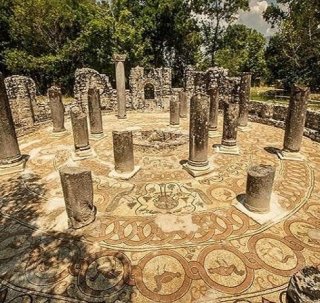
Absolutely! Albania is rich in historical sites. The ancient city of Butrint, a UNESCO World Heritage Site, showcases Greek, Roman, and Byzantine ruins. Berat, with its well-preserved Ottoman architecture, and the fascinating archaeological site of Apollonia are also must-visit destinations.
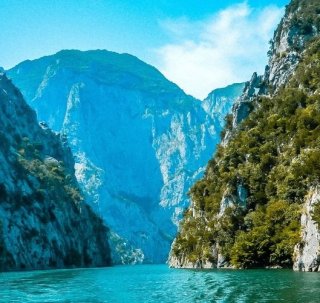
Yes, Albania is blessed with captivating lakes and rivers. Lake Ohrid, shared with North Macedonia, is a UNESCO World Heritage Site and provides a picturesque setting. Lake Koman, surrounded by majestic mountains, is renowned for its scenic boat trips. The Vjosa River, known as Europe's last wild river, offers mesmerizing natural beauty and opportunities for adventurous activities like rafting.
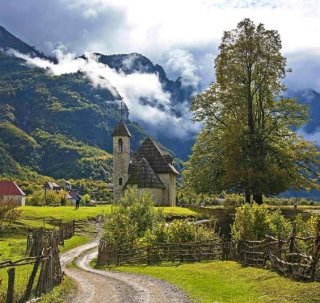
Absolutely! The village of Theth in the Albanian Alps offers breathtaking mountain scenery and a tranquil atmosphere. The Blue Eye, a natural spring near Saranda, is a hidden gem with crystal-clear blue waters. The coastal town of Himara, with its stunning beaches and relaxed atmosphere, is also worth exploring for a quieter seaside experience.
The best time to visit Albania for its natural beauty is during the spring (April to June) and early autumn (September to October). During these seasons, the weather is pleasant, and nature is in full bloom. However, each season has its own charm, and even summer offers opportunities to enjoy the country's coastal delights.