Call Now

Ancient Beginnings: Theranda's Illyrian Roots
Long before modernity graced the horizon, Tirana stood as a quiet oasis of history and culture. With roots reaching back over 2000 years, it was founded by the Illyrians, the enigmatic inhabitants of ancient Albania. But it was the Romans who first lent their brushstrokes to this evolving canvas, christening it 'Theranda.'
Ottoman Elegance: Et'hem Bey Mosque and Beyond
Tirana's transformation into a bustling hub took flight during the Ottoman Empire. Their architectural prowess painted minarets and domes across the skyline. The iconic Et'hem Bey Mosque, a masterpiece of Islamic architecture, still graces the city center with its intricate frescoes.
Independence Day: Albania's Celebration of Freedom
Tirana's destiny was rewritten on November 28, 1912, as Albania declared its independence. This momentous day is celebrated annually with parades and festivities, a time when the city wears its most jubilant attire.
Communist Legacy: The Enigmatic Pyramid of Tirana
As the 20th century unfolds, a dramatic twist emerges in the form of brutalist architecture of comunism. The Pyramid of Tirana, designed by Enver Hoxha's daughter, stands as a paradoxical emblem of Albania's communist history. Its angular form casts a futuristic silhouette against Tirana's historic backdrop, symbolizing the contradictions of the era.
21st Century Renaissance: Tirana's Colorful Transformation
In the 21st century democracy is here , Tirana embraced a radical transformation. The vibrantly colored facades of buildings and new skyscrapers now define the cityscape. This stunning urban facelift and developmental, led by the former mayor Edi Rama, has turned the city into a living, breathing canvas of art and culture.
Café Culture: Sipping Life on Tirana's Streets
Astonishing is the only way to describe Tirana's café culture.Tirana is the second city in the world with the highest number of coffee bars per Capita. Cafés brimming with life and character line the streets, where you can sip on strong Albanian coffee and watch the world go by. People-watching takes on an entirely new dimension in the city, where sidewalk cafes are abuzz with the captivating cadence of lively conversations.
Culinary Kaleidoscope: Flavors of Tirana
In the heart of the city, the stylish district of Blloku is where you'll find the perfect blend of modernity and tradition.Tirana's gastronomic palette is a vivid feast for the senses. The buzzing Blloku district boasts trendy restaurants, and the local markets offer an explosion of colors with fresh fruits, vegetables, and spices. Don't miss the delectable flavors of byrek and tave kosi.Once off-limits during the communist era, it has now become the epicenter of Tirana's vibrant nightlife. Any night, the streets are alive with music, laughter, and the clinking of glasses, making it the perfect place to meet locals and fellow travelers.
Bunk'Art Museums: Unveiling Albania's Hidden History
Witness the city's darker days through the Bunk'Art museums, a network of Cold War-era bunkers repurposed as haunting reminders of Albania's communist past. The artwork within these cold, concrete walls is a striking blend of history and contemporary expression.
Natural Escapes: Tirana's Green Oases
Tirana boasts a series of green oases like the Grand Park and Rinia Park, where locals and visitors find refuge from the urban whirlwind. In these parks, you'll find color-drenched gardens, picturesque lakes, and paths lined with blossoms.Including here visit to the Dajti Mountain is essential. A cable car ride takes you to the summit, revealing breathtaking panoramic views of the city and surrounding landscapes. The vista is a breathtaking masterpiece painted with the colors of nature and 30 min far from the Durresi adreatic sea line.
Skanderbeg Square: The Heartbeat of Tirana
The heart of Tirana, Skanderbeg Square, is named after Albania's national hero, Gjergj Kastrioti Skanderbeg. The square blooms with life, with the Skanderbeg Monument standing tall and the National History Museum on one side, recounting the country's story.
Tirana's journey through time is indeed a captivating narrative, where each chapter tells a unique story of the city's evolution, artistry, and cultural vibrancy.
Buy now Captivating Audio Guide
Including 1h15min Walk with 20 Atraction History and Tales.
Skanderbeg Square, at the heart of Tirana, is an enchanting urban space where history and modernity unite. Encircled by iconic buildings, it's a vibrant hub that tells the tale of Albania's past and present. From the grandeur of the National History Museum to the cultural allure of the Opera and Ballet Theater, this square is a living narrative of Tirana's resilience and revival. Here, you'll feel the city's pulse, enjoy coffee at charming cafés, and experience the essence of Tirana's past, present, and future in one captivating place.
Bunk'Art 2 is an evocative time capsule of Albania's communist past. This Cold War-era bunker, repurposed as a museum, offers a haunting journey through history. Inside its concrete walls, you'll find a captivating fusion of past and present, with thought-provoking exhibits that shed light on a bygone era. Bunk'Art 2 stands as a vivid testament to Albania's resilience and the power of contemporary art to tell a compelling story of its past.
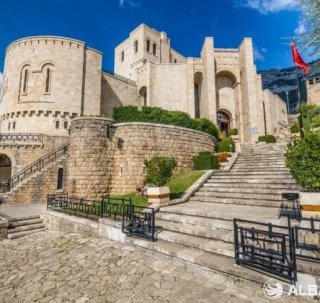
Toptani Castle, an emblem of Tirana's history, resides near a vibrant pedestrian zone, home to modern life and the Toptani Shopping Center. The castle, a relic of the past, coexists harmoniously with the bustling pedestrian area, which encapsulates contemporary Tirana. The Theatre stands at its core, celebrating artistic expression, while the iconic "Reja" art installation adds a modern twist. With the Toptani Shopping Center completing the picture, this area represents a captivating blend of history and urban vibrancy, offering a condensed yet engaging snapshot of Tirana's cultural tapestry.
Xhamia e Namazgjasë, with its Ottoman origins, emerges as a centuries-old religious and cultural icon in Tirana, embodying elegant Ottoman architectural elements.
In 1991, following the fall of communism, concerns about discrimination against Albanian Muslims arose due to the absence of a central mosque.
1992: President Sali Berisha initiated the construction of a mosque near Namazgja square, but it faced delays when contested by Parliament Speaker Pjetër Arbnori.
2010: Mayor Edi Rama made the pivotal decision to proceed with the central mosque's construction to address the shortage of mosques in Tirana.
Today, Xhamia e Namazgjasë serves as a vital religious and cultural symbol in Tirana, preserving Albania's diverse heritage. Turkish funding, provided by Diyanet, supported the mosque's construction, and its inauguration was attended by Turkish President Recep Tayyip Erdoğan in 2015.
Originally, the "House with a Leaf" began as a maternity clinic in 1931, under the guidance of Dr. Jani Basho, pioneering maternal care in Albania during the 1930s.
In the post-war era, it took on a more ominous role, serving as an interrogation center, where disturbing practices like torture were employed. These cruel methods gained recognition even in the official communist propaganda, especially during the 1948 split with Yugoslavia.
As the years passed, the house's functions evolved, concealing its secrets and mysteries. It transformed into the headquarters for the technical and scientific branch of the State Security, focusing on electronic surveillance, telephone monitoring, and postal control. This dark history persisted until the dissolution of the State Security apparatus in 1991, with the technical and scientific branch playing a central role in these activities.
Architectural Icon Blending History and Modernity in Albania.
The Pyramid of Tirana, initially built to honor Enver Hoxha, became a controversial symbol of Albania's communist past. Erected in 1987, it later lost its purpose, falling into disrepair after communism's fall in 1991. Over time, it served as an event venue. Today, it stands as a debate: a historical relic or space for modern use, reflecting Albania's evolving identity since communism
New PYRAMID , offers modern learning facilities. It's part of the global TUMO network, which reimagines education through self-directed learning in fields like Programming, Animation, and more.
Tech Space,Albania's tech scene is rapidly growing, and the Pyramid of Tirana will play a pivotal role in fostering innovation and hosting diverse events.
The Arts,The Pyramid aims to promote the arts in Albania by hosting exhibitions, events, and programs, creating a space for artists and the public to engage and inspire one another.
The Mother Teresa Square: Honoring Compassion and Legacy in Tirana, Albania.
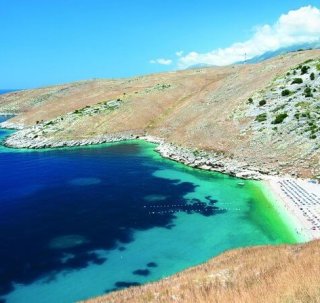
Albania boasts stunning natural beauty. Don't miss the Albanian Riviera with its pristine beaches, the breathtaking landscapes of Valbona Valley National Park, or the enchanting shores of Lake Ohrid.
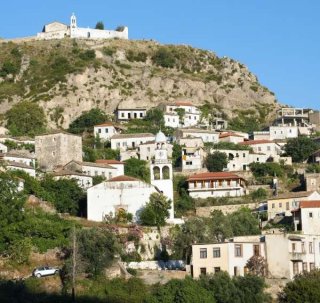
Tirana, the capital, features a blend of architectural styles, ranging from Ottoman-era buildings to modern structures. The city center offers a vibrant mix of colors and designs. Berat, known as the "City of a Thousand Windows," is famous for its stunning Ottoman houses, while Gjirokastër is renowned for its well-preserved Ottoman and Byzantine architecture.
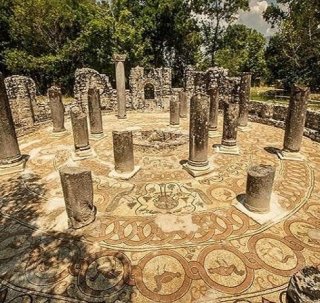
Absolutely! Albania is rich in historical sites. The ancient city of Butrint, a UNESCO World Heritage Site, showcases Greek, Roman, and Byzantine ruins. Berat, with its well-preserved Ottoman architecture, and the fascinating archaeological site of Apollonia are also must-visit destinations.
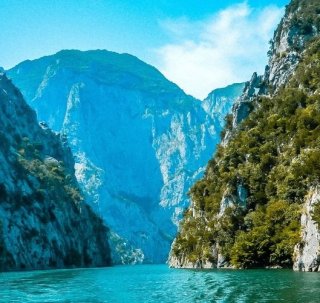
Yes, Albania is blessed with captivating lakes and rivers. Lake Ohrid, shared with North Macedonia, is a UNESCO World Heritage Site and provides a picturesque setting. Lake Koman, surrounded by majestic mountains, is renowned for its scenic boat trips. The Vjosa River, known as Europe's last wild river, offers mesmerizing natural beauty and opportunities for adventurous activities like rafting.
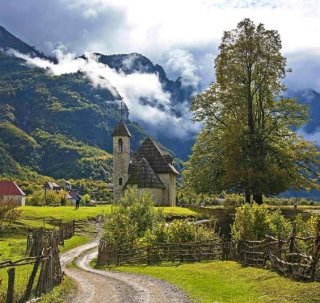
Absolutely! The village of Theth in the Albanian Alps offers breathtaking mountain scenery and a tranquil atmosphere. The Blue Eye, a natural spring near Saranda, is a hidden gem with crystal-clear blue waters. The coastal town of Himara, with its stunning beaches and relaxed atmosphere, is also worth exploring for a quieter seaside experience.
The best time to visit Albania for its natural beauty is during the spring (April to June) and early autumn (September to October). During these seasons, the weather is pleasant, and nature is in full bloom. However, each season has its own charm, and even summer offers opportunities to enjoy the country's coastal delights.